
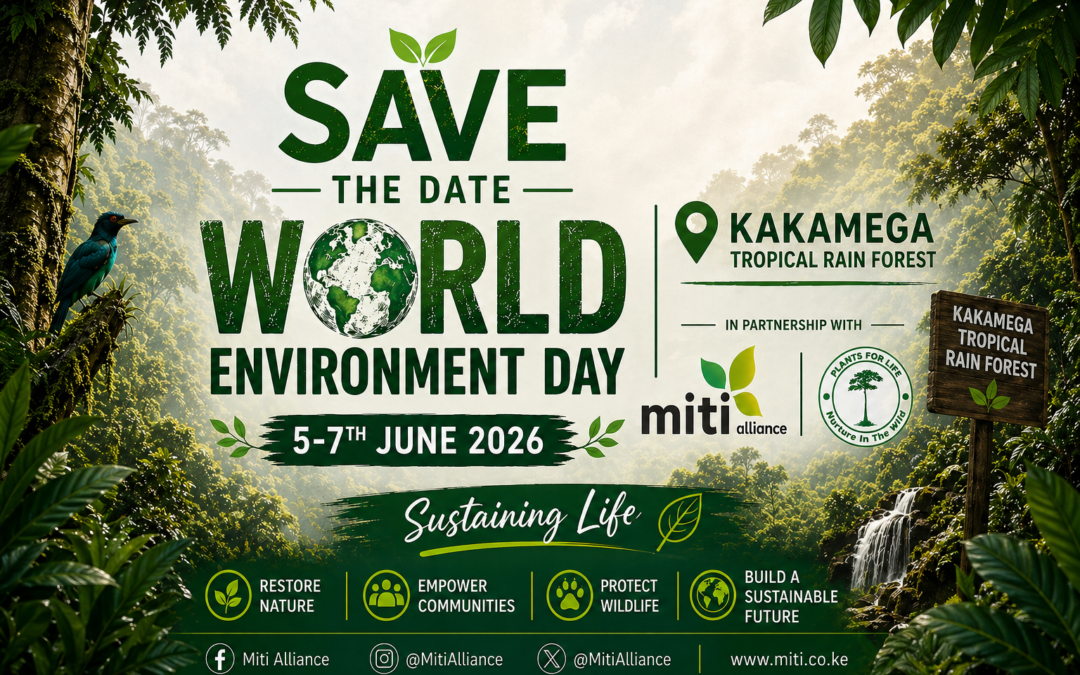
Every year on June 5th, the world comes together to mark World Environment Day which is a moment to reflect on our relationship with the planet and renew our commitment to protecting it. In 2026, this global observance feels more urgent than ever. As climate change intensifies, biodiversity declines and natural ecosystems face mounting pressure, the call to act is no longer optional but it is essential.
Why World Environment Day still matters
Since its establishment by the United Nations in 1972, World Environment Day has grown into the largest international platform for environmental outreach. It is not just a symbolic day; it is a catalyst for policy change, community engagement and individual responsibility. Each year carries a theme that highlights a pressing environmental issue, encouraging governments, organizations and citizens to focus their efforts where they are needed most.
From global conversations to local impact
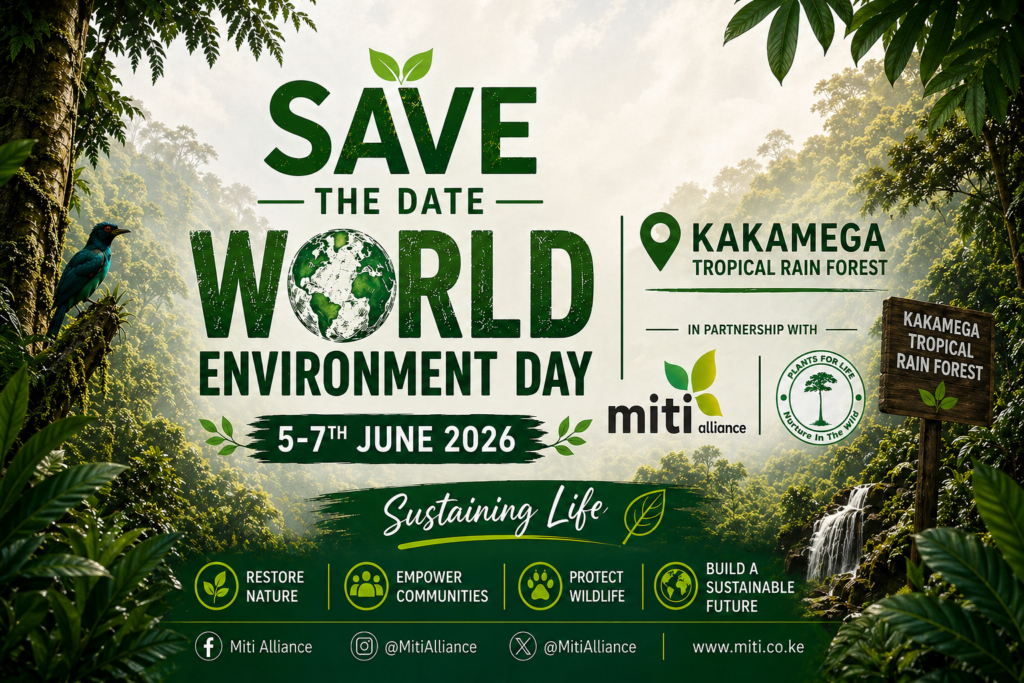
While the challenges we face are global, the solutions often begin at the local level. Across the world, communities are stepping up restoring forests, reducing waste and rethinking how we live and consume. In Kenya, for example, conservation efforts are increasingly centered around protecting vital ecosystems like the Kakamega Forest, the country’s only tropical rainforest and a critical biodiversity hotspot.
Events held in such locations bring the message of World Environment Day to life. They remind us that environmental protection is not an abstract concept – it is about preserving real places, supporting real communities and safeguarding the natural heritage that sustains us all.
The power of collective action
One of the most powerful aspects of World Environment Day is its ability to unite diverse groups under a common purpose. Governments, NGOs, businesses and individuals all have a role to play. Partnerships – whether global alliances or grassroots collaborations – are key to scaling impact and driving sustainable change.
From tree planting initiatives to environmental education programs, these collaborative efforts demonstrate that when people come together, meaningful progress is possible. The responsibility does not lie with a single group; it is shared by all of us.
What can you do?
World Environment Day is also a personal invitation. It challenges each of us to examine our habits and consider how we can contribute to a healthier planet. Small actions – reducing plastic use, conserving water, supporting sustainable brands or participating in local conservation efforts – can collectively make a significant difference.
Looking ahead
As we mark World Environment Day 2026, the message is clear: awareness must lead to action. The future of our planet depends on what we do today. By embracing sustainability, supporting conservation efforts and working together, we can create a world where both people and nature thrive.
The environment is not separate from us – it is our home. And protecting it is not just a responsibility; it is a necessity.