Miyawaki Forests
Restoring ecosystems faster.
Using the Miyawaki method, we plant dense, multi-layered native micro-forests that grow up to ten times faster than conventional planting — turning bare school and community land into thriving forest in a matter of years, not decades.
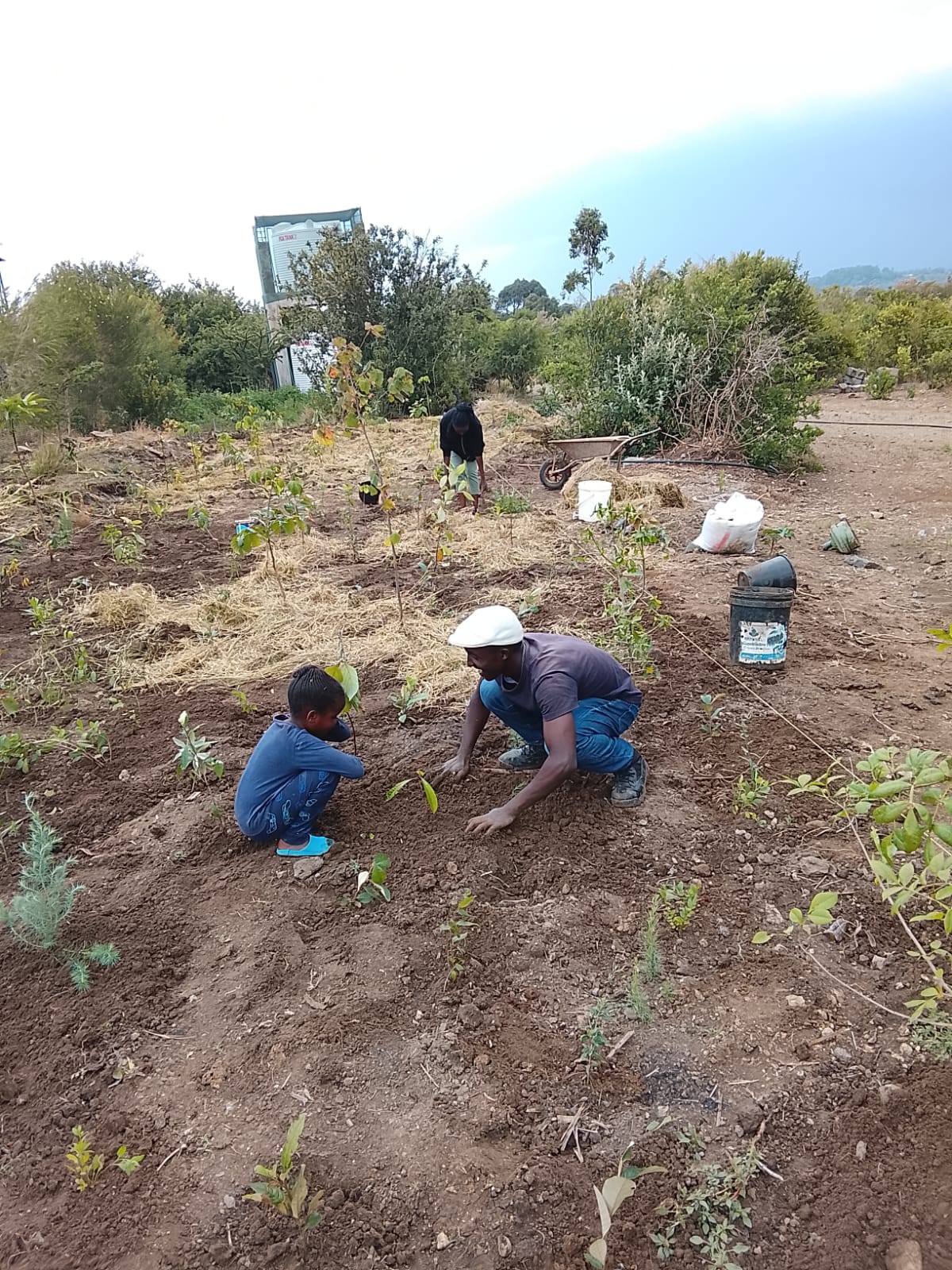
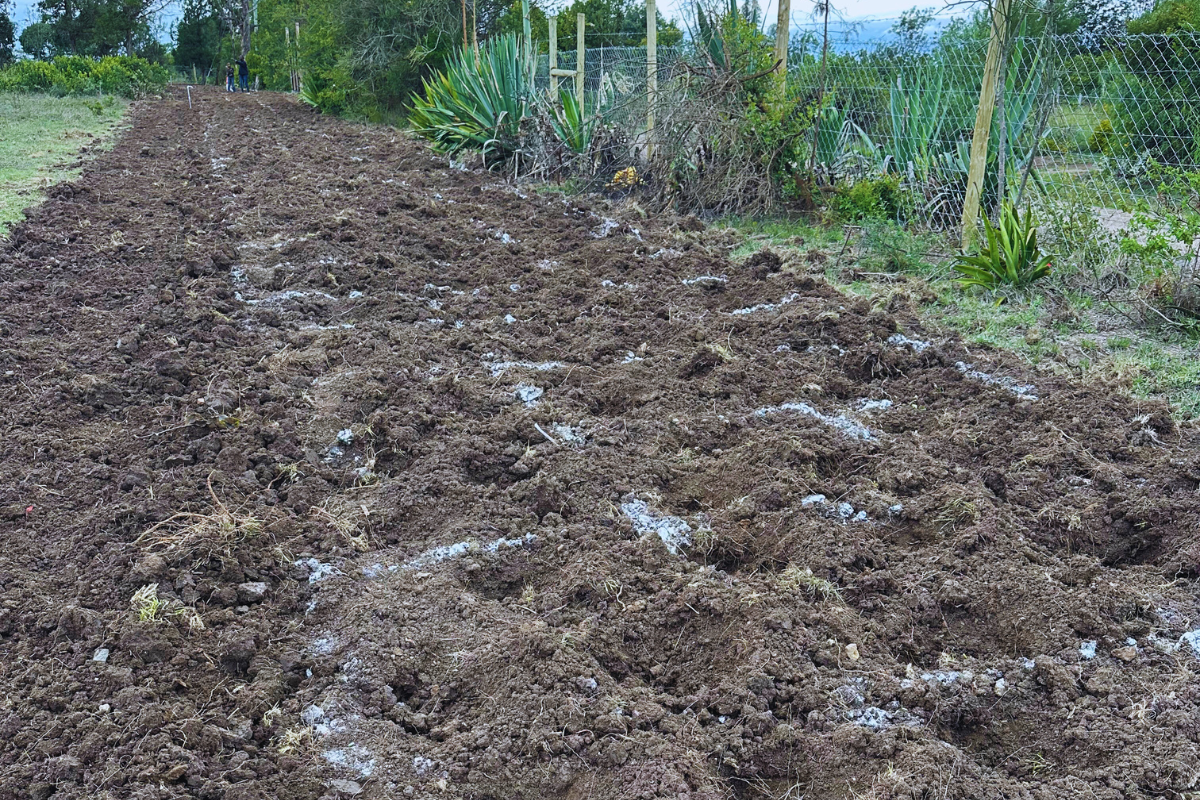
The Miyawaki method plants many indigenous species close together, replicating a natural forest’s structure so it establishes and matures fast, without ongoing maintenance once it takes hold. Each forest is designed for its site — we prepare the ground, mix in organic inputs like biochar and manure, plant thousands of saplings by hand with volunteers and school children, water and protect the site for three years, then let nature take over.
Since March 2021 we’ve established forests across Nyeri, Kiambu, Laikipia, Meru and Nairobi counties, growing over 21,000 trees on more than three-quarters of a hectare of previously bare or degraded land. 2025 was our biggest year yet: six new forests, over 13,500 trees and 4,550m² planted across three counties, with four partner organisations. Our flagship current partnership is with I&M Foundation: seven Miyawaki pocket forests planted at learning institutions through I&M Bank branch communities in Nanyuki, Nyeri, Meru, Meru Makutano, Embu, Kenol and Thika — over 35,000 trees, each site fenced and fitted with a water tank, including a five-year partnership with Embu University, which hosts 12,000 learners.
Globally, we work with SUGi, the Miyawaki-method non-profit, as a certified Forest Maker — SUGi has supported several of our forests, including Self Sustaining Naru Moru, Msitu Classroom, St Paul’s Unity Forest and Woodland Star.
KEY STATS TO FEATURE
- 11 documented forests since 2021 — over 21,000 trees on 7,683m²
- 5 counties: Nyeri, Kiambu, Laikipia, Meru, Nairobi
- 2025: 6 new forests, 13,520 trees, 4,550m², 4 partner organisations, 3 counties
- 2025–26 I&M Foundation partnership: 7 pocket forests, 35,200 trees, 7 I&M branch communities, each fenced and fitted with a water tank
- Biodiversity return recorded on-site: birds, bees, butterflies, amphibians, small mammals and native understory species
Other related programmes
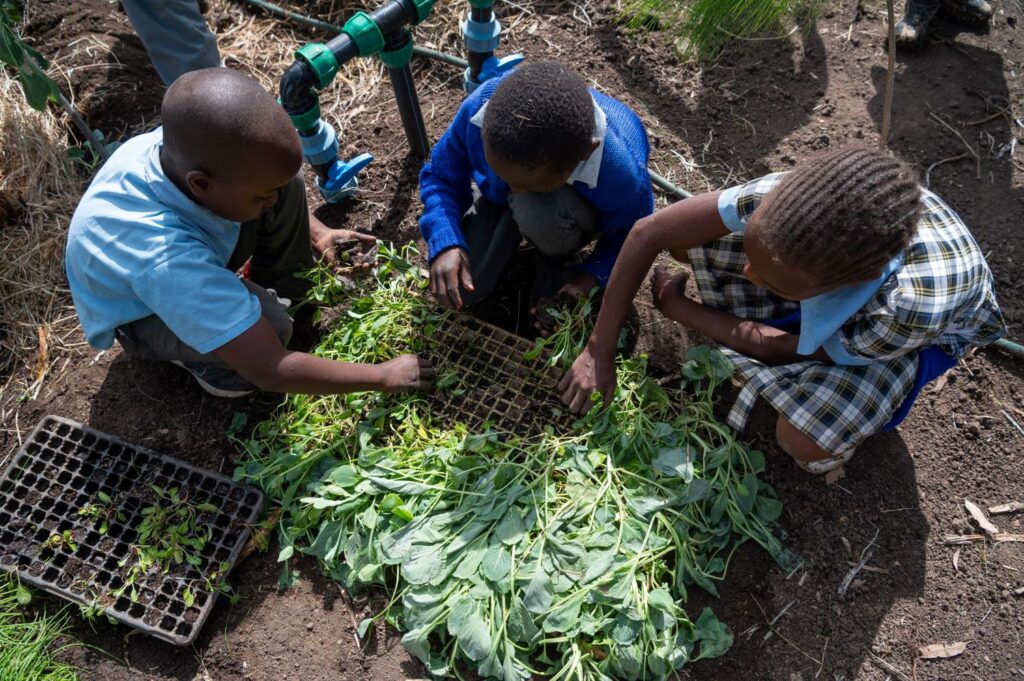
Miti Schools Programme
Environmental education, tree nurseries and orchards in Kenyan schools.
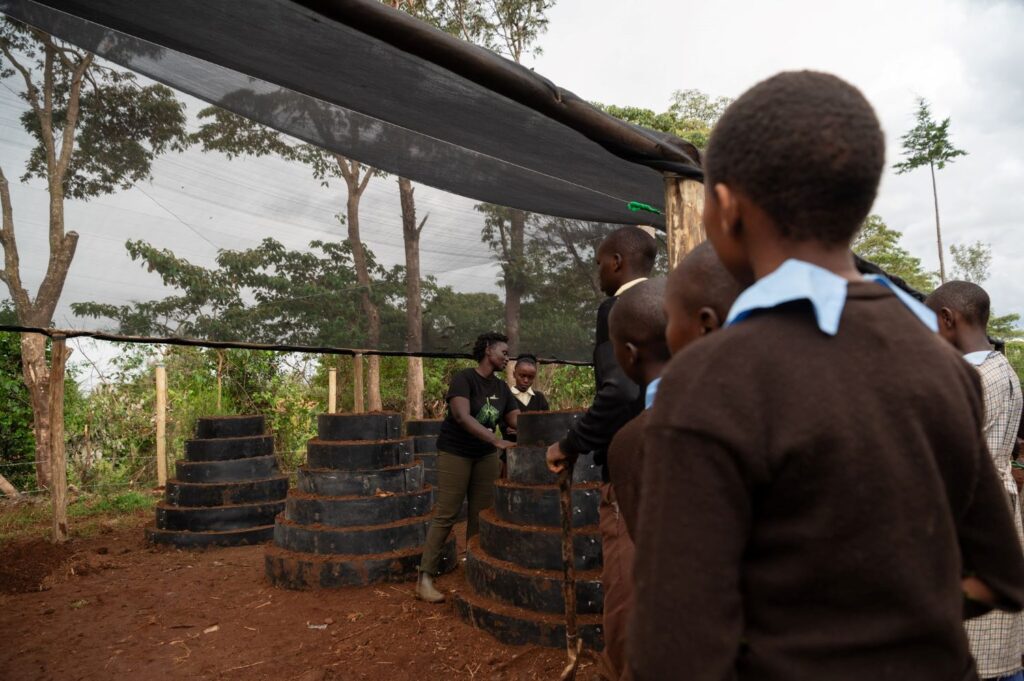
Miti Kitchen Gardens
Regenerative food gardens that feed school feeding programmes
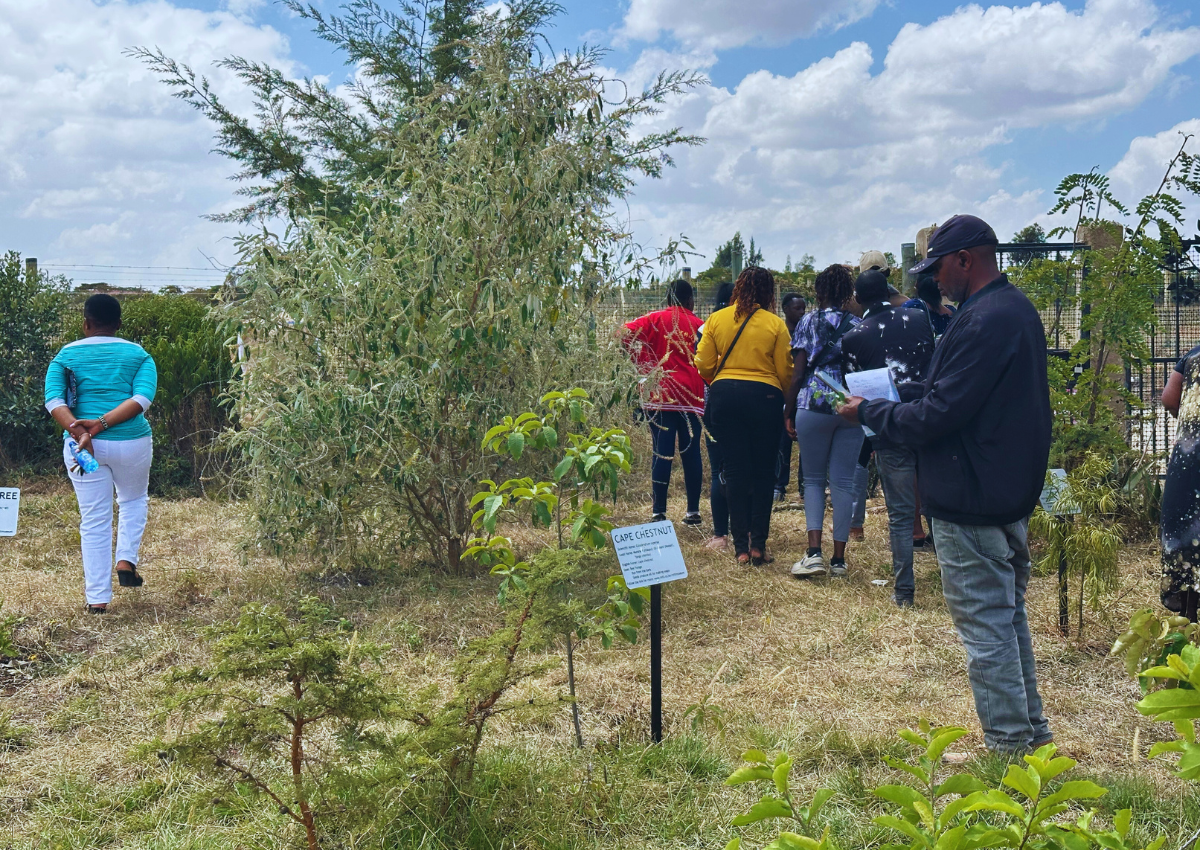
Miti Museum
A living seed bank and tree museum at the foot of Mt Kenya, open for tours, training and stays
Be part of a lasting change
Fund the next forest, garden or classroom.
Every gift goes directly to a specific, budgeted need — a water tank, a fence, a season of seedlings, a forest. Choose a school below, or fund what's needed most.